Categories
Blog

7 Ways to Measure, Monitor, and Evaluate Water Quality


Healthy water bodies significantly affect the underwater flora and fauna and the overall health of the environment. Numerous physical, chemical, and biological factors affect the quality of water in the ponds, the lakes, the streams, the rivers, the oceans, and the groundwater.

Effective and pre-emptive water-quality monitoring strategies can help environmentalists determine the natural and human factors that affect the water bodies. The results can be used to plan restoration projects to ensure that the water bodies meet the environmental standards.

Here are seven ways to measure and monitor the water quality, encouraging a clean and healthy aquatic ecosystem.

1. CDOM/FDOM Monitoring 

Coloured or chromophoric dissolved organic matter (CDOM) occurs naturally in water bodies. This organic matter absorbs the ultraviolet light and decomposes to release tannin, an organic pollutant that causes the water to turn murky. Moreover, tannin contributes to reducing the pH (acidic) of the water and depleting the oxygen levels.

A portion of the CDOM fluoresces and is referred to as fluorescent dissolved organic matter (FDOM) further making the water look cloudy.

CDOM/FDOM levels can be measured using electrical optical sensors that use fluorometers and sapphire lens. These sensors gauge the light availability in water bodies depending on the water level and indicate the concentration of dissolved organic matter (DOM).

2. Chlorophyll Fluorescence Analysis 

image description

When the surface water in ponds and lakes is rich in minerals, namely phosphorus and nitrogen, algae flourish. Disproportionate growth of algae leads to oxygen depletion and increased levels of nitrogen and phosphorus which can be toxic to the flora and fauna.

Chlorophyll fluorescence, measured using algae toximeters, indicates the percentage of wet-chemical chlorophyll and active chlorophyll in the water sample under illumination. This is an effective method to keep a check on the excessive algal growth and monitor the water quality.

3. Conductivity, Salinity, and TDS Monitoring 

The conductivity of a water body is an early indicator of the water quality. Conductivity affects the salinity and total dissolved solids (TDS) content, which in turn affects the concentration of oxygen in the water.

Certain ecological (temperature, excessive rainfall, and increased organic matter content) and man-made (pollution) factors can increase or decrease the water bodies’ conductivity, severely impacting the water quality.

For instance, an oil spill or increased levels of organic substances in an ocean can decrease its conductivity, indicating water pollution.

image description

Conductivity, salinity, and TDS meters analyze the water quality by measuring the specific electrical conductance of electrolytes dissolved in the water. Though each of these instruments measures a separate parameter, the results are correlated and indicative of pollution.

4. Recording the Water Temperature 

Temperature is a crucial factor that affects the other water quality parameters such as, the rate of photosynthesis and metabolism, the dissolved gas concentrations, the conductivity and salinity, the pH, and the water density amongst other factors.

For instance, ammonia at a high pH is toxic to plants and aquatic animals, however, a sudden change in temperature can double the impact.

image description

Several devices such as thermometers, thermistors, thermocouples, and digital temperature sensors are used to obtain temperature readings at varying depths, time, and locations.

5. Measuring the Dissolved Oxygen Levels 

The dissolved oxygen (DO) is a measure of the amount of oxygen available to the flora and fauna and is reported as percent saturation or mg/L. The oxygen levels in water go down owing to the decomposition of organic material such as dead plants and animals and human wastes. A dissolved oxygen level of less than 6 mg/L can be harmful to the ecosystem of water bodies.

The dissolved oxygen concentration can be measured using the electrochemical or optical sensor, the colourimetric method, the Winkler titration method, and the optical dissolved oxygen sensors.

6. pH and KH Testing 

An increasing pH level is dangerous to the ecosystem of the water body. A safe pH range for a pond or a lake is between 6.0 to 8.0; however, certain factors such as overgrowth of algae and pollution alter the pH of the water and increase the levels of toxic ammonia.

pH can be tested using water test kits that are color-coded and offer a wide range of pH measurement. These kits work best to give you an idea of the pH range the water falls into. However, for accurate pH measurements, electronic pH sensors offer measurement values up to two decimal points.

KH or the carbonate hardness (a measure of carbonate and bicarbonate levels) is another factor that needs to be monitored as it significantly impacts the pH of the water. Therefore, to readjust the pH, you may often have to stabilize the water KH.

7. Assessing the Turbidity, TSS and Clarity 

image description

The solar radiation provides light, heat, and energy to all living being on earth. Low or high levels of ultraviolet radiations can halt the photosynthetic process, causing permanent damage to the aquatic ecosystem.

Suspended solids, decaying vegetation, and other dissolved colored material cause the water to appear cloudy and murky, impacting the penetration of sunlight on water and the aquatic life.

A sudden increase in the turbidity and the total suspended solids (TSS) is an indicator of soil erosion and point-source pollution adding heavy metals and effluents into the water.

A nephelometer is used to measure the scattered light at an angle of 90◦ and the results are reported in Nephelometric Turbidity Unit (NTU). The total suspended solids are measured by filtering and weighing the sample and are measured in milligrams of solids per liter of water.

image description

The Secchi disk is often lowered in a water body to measure the depth until which it is no longer visible (also referred to as the Secchi depth). This is a measure of the cloudiness of the water.

These devices help measure the water clarity and photosynthetically active radiation (PAR), promoting a healthy environment for the plants and animals residing in the water body.

By measuring and monitoring the key indicators of the quality of water, researchers and environmentalists can plan and execute strategies to conserve the water bodies and encourage biodiversity. The aforementioned methods will help you evaluate the various parameters that determine the water quality in freshwater and brackish water bodies.
Categories
Blog

What is the Importance of Water Quality?

The importance of quality water cannot be understated. In parts of the world without access to safe and clean drinking water, humanity suffers from malnutrition, dehydration, and death from preventable diseases. At Healing Waters, our mission is to provide the basic human right of access to clean and safe water and sanitation practices to all.

What is the Importance of Water Quality?

Over the past century, much progress has been made in the provision of access to clean drinking water for billions of people and thousands of communities around the world. However, there are billions yet (mostly in developing nations and their rural areas) who still do not have access to drinkable water that is absolutely necessary for both nutrition and sanitation.

According to the United Nations, billions in rural areas are still without the basic provision of access to clean water. In fact, one in three people on Earth do not have a source of safe drinking water available to them; two in five people are not able to wash their hands with soap and water due to the lack of a capable facility; and 673 million people are unable to receive water needed for sanitary practices, such as plumbing. Without the water needed for essential sanitation and hygiene, humanity is much more susceptible to contagious diseases, such as COVID-19.

What Classifies as Clean Water?

The United States Geological Survey, or the USGS, is a scientific organization created by the United States Congress. It studies and provides information about the Earth’s environment, natural hazards, and our ecosystems. The USGS defines clean and safe water as water that won’t harm humans who come in contact with it. According to the World Health Organization, 26 percent of people on earth do not have access to a safely managed drinking water service that is both located close enough to them to have access to when they need it, and that is also free from contamination.

The Importance of Access to Safe and Clean Water

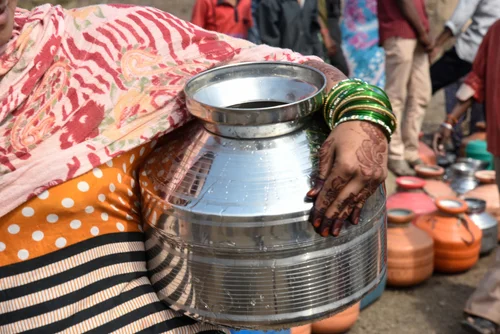
Woman with jug of water

The importance of water quality cannot be understated. The lack of access to safe and clean water is one of the largest risk factors for the spread of infectious diseases, such as polio, typhoid, cholera, dysentery, hepatitis, and diarrhea. The unavailability of drinkable water worsens and intensifies malnutrition, particularly in children.

To put the data in context, the Global Burden of Disease, a worldwide medical journal study on the risk factors for death and disease, reports that more than 1.2 million people died prematurely in 2017 due directly to unsafe water sources: greater than three times the number of those lost to drug use. Most of these deaths occur in low income, developing nations, especially Asia and sub-Saharan Africa. For example, in Chad, Niger, Somalia, and the Central African Republic, the rate of death due to unsafe water sources was among the highest, followed by countries such as India, Pakistan, and Nigeria.

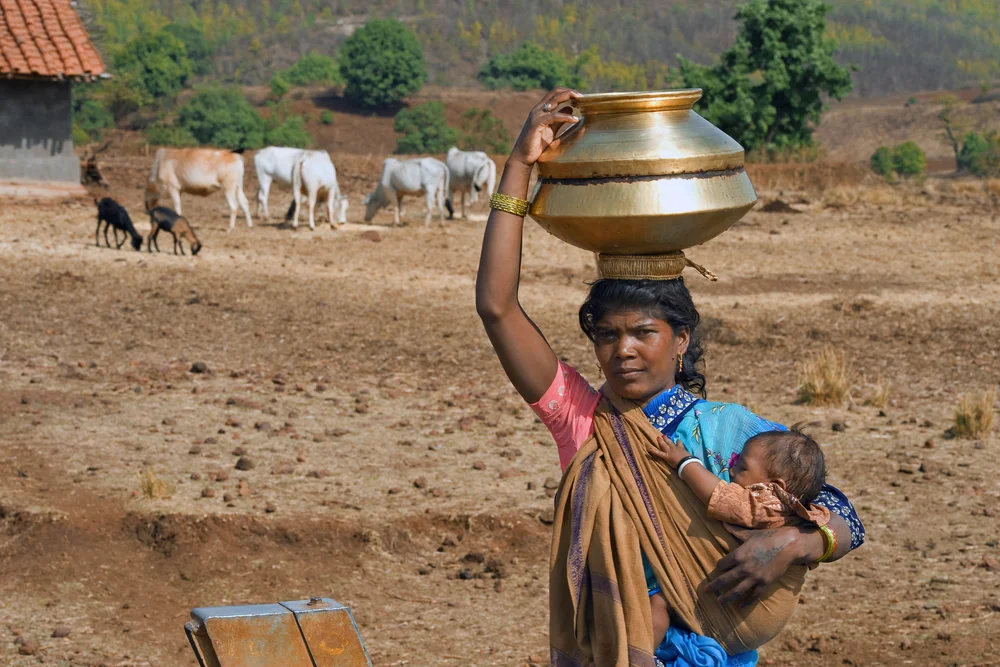
In these undeveloped countries, the trek to obtain any water at all is grim, and very often, the onus falls on women and girls to collect water for their families and villages. According to statistics from the United Nations, the average distance that women in Africa and Asia walk to obtain water is six kilometers. Further, in parts of rural and Sub-Saharan Africa, millions of humans are forced to share a water source with animals. Still millions more must rely on untreated well water sources that are known to contain contaminants and can breed dangerous pathogens.

Do People have a Legal Right to Clean Drinking Water?

Many believe that access to drinkable water and safe sanitation practices is a human right. At Healing Waters, we firmly agree, and we’ve made it our mission to see a future in which everyone has a safe water source available to them. The right to water and sanitation was officially recognized as a human right in 2010 by the United Nations General Assembly, which noted it was essential to human life. However, countries are not legally required to provide clean drinking water to their people. Instead, they’re only encouraged to do what they can with the limited resources they have. That’s why the mission of Healing Waters is so important: where resources exist in developed nations, we do everything in our power to share them with those who have less, so the human rights of everyone can be met in their lifetimes.

The Need for Quality Water Across the Globe

Woman holding baby with water jug on her head

Did you know that we need between fifty and one hundred liters of water per person each day to ensure that our most basic needs (including drinking, cooking and food preparation, laundry, cleaning, and hand washing) are met? More is needed for those who are in manual labor (which is a great deal of the world’s poor) and mothers who are breastfeeding. In developed areas of the world such as America and Europe, the United Nations reports that the average water use per person is between two and three hundred liters each day, while in developing nations like Mozambique, people are only able to use less than ten liters.

While governments around the world either lack the resources or the support to provide clean water to their citizens, charitable individuals and organizations in developed countries must take a human rights and humanitarian based approach to access to clean water. Healing Waters believes that access to safe water is a right to be maintained for every human, not a privilege to be enjoyed and reserved for the lucky few of us. We hope you’ll consider joining us in our mission to establish clean and safe water sources across the globe.

Be a Hope-Instiller with Healing Waters

We believe that people thrive when they are free from the burden of worrying about a lack of clean water. When people have access to clean water, they are instilled with the hope that leads to a flourishing life. Our work isn’t possible without partners. There are always opportunities to be a part of the solution, and you can help developing parts of the water gain access to clean water. Contact us today to learn more.

Categories
Blog

The Importance of Drinking Water Quality Standards

Water, a fundamental element for sustaining life, is often taken for granted. We rely on it for hydration, cooking, and sanitation, yet the quality of our drinking water is not always a top concern.

However, drinking water quality standards are paramount in ensuring the safety and cleanliness of the water we consume. In this article, we will explore why these standards are of utmost importance in safeguarding public health, protecting the environment, and promoting economic well-being.

Understanding Drinking Water Quality Standards

Drinking water quality standards, also known as drinking water regulations, are guidelines and benchmarks set by regulatory bodies to ensure that drinking water is safe and free from harmful contaminants.

These standards establish the permissible limits for various substances and microorganisms present in our water supply. The primary objectives of these standards are to protect public health, preserve ecosystems, and maintain the quality of our water sources.

Protecting Public Health

One of the core reasons for implementing drinking water quality standards is to ensure a safe water supply that doesn’t pose health risks to the public.

By regulating contaminants such as bacteria, viruses, heavy metals, and chemicals, these standards play a vital role in preventing waterborne diseases. Compliance with these standards helps to minimize the occurrence of illnesses caused by consuming contaminated water, such as gastrointestinal disorders, hepatitis, and even certain types of cancer.

Environmental Impact

The significance of drinking water quality standards extends beyond human health. These standards also serve to protect ecosystems and safeguard biodiversity.

Clean water is essential for the survival and well-being of aquatic organisms, plants, and wildlife. By maintaining water quality, we can help preserve delicate ecosystems, ensure the sustainability of fisheries, and protect the natural habitats of numerous species.

Economic Considerations

Investing in drinking water quality standards is not just a matter of public health; it also carries significant economic benefits. By ensuring clean and safe water, these standards contribute to reducing healthcare costs associated with waterborne diseases.

Treating and managing illnesses caused by contaminated water puts a strain on healthcare systems, impacting both individuals and communities. Adhering to strict water quality standards can help alleviate this burden and promote overall economic well-being.

Furthermore, incidents of water contamination can have severe economic consequences. Businesses may suffer from disruptions in production, tarnished reputations, and decreased consumer confidence.

Communities relying on water-dependent industries, such as agriculture and tourism, can experience significant losses when water quality is compromised. By implementing and maintaining stringent water quality standards, we can prevent these economic setbacks and ensure a stable and prosperous future.

Drinking Water Quality Standards Worldwide

The importance of drinking water quality standards is recognized globally. International organizations, such as the World Health Organization (WHO) and the United Nations, work towards establishing universal standards and guidelines to ensure safe drinking water for everyone.

While international standards provide a baseline, regional variations exist to address specific local needs and challenges. Governments and regulatory bodies tailor their standards to consider factors such as source water quality, climate, and population density.

Challenges in Maintaining Drinking Water Quality

Despite the vital role of drinking water quality standards, there are challenges in maintaining and improving them. Aging infrastructure is a significant concern, as outdated systems can compromise water quality.

Upgrading infrastructure to meet modern standards requires substantial investments and coordination. Additionally, emerging contaminants, such as pharmaceutical residues and microplastics, pose new challenges. Regular updates to standards are essential to address these evolving risks and protect public health effectively.

The Role of Government and Regulations

Governmental organizations and regulatory agencies play a pivotal role in establishing and enforcing drinking water quality standards. These bodies ensure that water utilities and treatment facilities comply with the set regulations, conduct regular inspections, and impose penalties for non-compliance.

Legal frameworks support the establishment of standards, provide guidelines for monitoring and testing, and empower authorities to take action in case of violations. Public participation and transparency are essential in shaping and maintaining these regulations.

Innovative Technologies and Future Trends

Advancements in technology are transforming the landscape of water treatment and quality control. Advanced treatment methods, such as membrane filtration, ultraviolet disinfection, and reverse osmosis, are increasingly employed to improve the efficiency and effectiveness of water treatment processes.

Furthermore, smart water management systems that leverage data-driven approaches are being implemented to monitor water quality in real-time, detect anomalies, and respond swiftly to any potential threats.

Categories
Blog

Benefits of Quality Water

Your body is 70% water. Pure water flushes out toxins, improves your complexion, relieves headaches, promotes weight loss, and aids in digestion.

So when your water is of poor quality, your mind and body can’t function properly. You may feel sluggish, bloated, and dehydrated without the proper amount of high quality water.

While public water treatment facilities remove major contaminants, they may not necessarily remove impurities that make your water smell and taste as fresh water should, and they may not supplying you with water that is optimal for your health. Water filters provide an extra line of defense against microorganisms that may make you sick or dry out your hair and skin.

What Quality Water Does for You

Why do you need quality water? Find out the top reasons with our list below:

Leads to Better Health

Quality water helps prevent waterborne illness. A 2009 University of California, Berkeley study found that participants who used a reverse osmosis/UV filter suffered about 12% fewer gastrointestinal illnesses that participants who drank unfiltered water. Although the Environmental Protection Agency regulates water treatment facilities for chemicals, microorganisms, and other contaminants, it doesn’t test for a variety of contaminants. Many public water supply companies don’t test for the following:

  • Synthetic Hormones: birth control pills, hormone therapy treatments
  • Pharmaceuticals: antibiotics, aspirin, cancer drugs, antidepressants
  • Agricultural Chemicals: weed killers, pesticides
  • Household Chemicals: cleaners, deodorants, shampoos

Saves Money on Plumbing Fixtures and Appliances

Good water quality leads to a longer life for your appliances and fixtures, sparing you the cost of constant replacement.  In a study commissioned by the Water Quality Research Foundation (WQRF) in 2009 and conducted by the Battelle Memorial Institute, water softeners were found to preserve the efficiency of water heaters and major appliances.

Throughout the study, dishwashers and clothes washers were operated for 30 days and 240 full wash cycles on soft and hard water sources.  The washers using softened water were virtually free of any scale build up. The washers using hard water, however, required removal of scale and deposit build up. Additionally, less detergent was required for the clothes washed with softened water.

The same study found that hard water led to as much as a 48% efficiency loss in water heaters over a 15-year lifetime. Meanwhile, water heaters operated on softened water maintained the original factory efficiency rating over the same period of time.

Fresher Taste and Odor

Ever wonder why water from the tap sometimes smells like rotten eggs or tastes metallic? Hydrogen sulfide gas can cause water to give off an unpleasant odor (and damages plumbing). The presence of iron or manganese in water could lead to a metallic taste. Water filters remove impurities that cause foul-tasting and –smelling water by trapping microorganisms through an intake hose. This leads to fresh, pure-tasting and –smelling water.

Less Cleaning

Water impurities may lead to an abundance of mineral deposits that are typically found in hard water (for example, lime). This hard-to-remove build up can be frustrating to clean. Harsh scrubbing can wear away porcelain enamel if your bathtub or sink are made of porcelain. Using a water softener to purify the water means you can clean your plumbing fixtures and appliances less often while simultaneously increasing their lifespan.

Water Quality Tips

You’ve learned how good water quality is beneficial to your health and maintaining your appliances and plumbing fixtures; now it’s time to achieve these goals through taking action. The following are tips on maintaining good water quality:

Maintain Your Water Softener

If you have a water softener, make sure to regularly check on its salt levels. Lift up the softener tank lid—if the lid is less than half full, it needs salt. Pour some salt into it to replenish the salt levels to maximum functionality.

Keep Your Water Filters Clean

If you have a water filter, follow the filter manufacturer’s instructions on how often to replace and/or clean the filter. If not regularly maintained, your filter may not be as effective at trapping water contaminants.

Wash Your Water Containers

Even the cleanest tap water can be contaminated if its storage container is dirty. Make sure to regularly wash your household pitchers, water bottles, and other containers with dish detergent. If the container is especially dirty, you can use unscented bleach and water to wash out the container.

Categories
Blog

Why Is It Important to Test Home Water Quality?

It is crucial to protect household water quality as more people rely on domestic water sources. The water used in houses, whether from underground aquifers or municipal sources, may include different toxins that could harm that person’s health. Therefore, it is crucial to test home water quality so that people may identify potential issues, make informed decisions, and take the necessary safety measures to protect their families and communities. This blog examines the significance of testing home water quality in your home to promote a better and safer living environment.

Reasons To Test Home Water Quality

Water, indeed, is a necessity for life, but contaminated water can also be a reason for various health issues. One can find any problems that might threaten the well-being and health of their family members by testing home water quality. A few reasons to test home water quality include the following:

Health and Safety

Acquiring home water quality testing services is essential to ensure that the house’s residents are safe and not exposed to significant health threats. One should always have access to safe, clean drinking water to preserve well-being and good health. Furthermore, there might be different causes of water contamination, including agricultural runoff, industrial pollutants, natural sources, and deteriorating infrastructure. 

Identifying harmful contaminants early and avoiding potential health risks is possible by regularly testing home water quality. Water quality testing gives homeowners helpful knowledge that enables them to take the required security measures, such as setting up water filtration systems or using the right treatment methods.

Drinking Water Standards

It is required to test home water quality to verify that drinking water conforms with the standards set by regulatory authorities. These regulations protect the public’s health, ensuring that the drinking water being supplied is of the highest caliber.

Regulatory bodies like the US Environmental Protection Agency (EPA) set rigors limits for various contaminants in drinking water to minimize adverse health effects.

Water suppliers and homeowners can quickly spot deviations from the stated requirements by performing routine water quality testing. Early identification of problems with water quality enables swift remediation, reducing the chance of breaking the rules.

Water standards violations can profoundly affect water suppliers, from significant health risks to legal repercussions. Not only does ensuring that water continually complies with regulations preserve the public’s health, but it also helps to keep consumers’ confidence in the water supply system.

Changes in Water Quality

Water quality is not a constant characteristic; it can change over time due to numerous factors. The quality of water supplies can be affected by changes in the environment, weather patterns, human activity, and natural occurrences. As a result, you can test home water quality regularly for keeping track of changes and spotting any problems.

For several reasons, early detection of water quality changes is essential. First, it helps locate the issue’s root cause, enabling quick response to reduce risks. For instance, you shall take action to stop the source of pollution and stop future contamination if contaminants are found.

Second, monitoring trends in water quality can show long-term changes that might not be immediately obvious. Authorities and water managers can plan for any necessary upgrades or improvements to water treatment facilities by observing these patterns and developing informed strategies to safeguard water resources.

Thirdly, timely public awareness and communication are made possible by early detection of changes in water quality. With this knowledge, people are better equipped to protect their health by taking preventative measures or, if required, using alternative water sources.

Evaluating Filtration Systems

Water filtration systems play a critical role in creating clean and safe drinking water by removing toxins and impurities. However, the efficiency of these filtration systems may be reduced over time due to wear and tear, clogging, or other factors. Regular home water testing services are crucial for monitoring the efficiency of filtration systems and ensuring they are working at their peak.

One can evaluate the water quality before and after filtration and spot any changes or variances by carrying out routine testing home water quality. This evaluation helps identify whether maintenance or replacement parts are necessary or whether the filtering system successfully removes impurities as intended.

Different filtration techniques target various contaminants, such as sediment filters for particle matter and activated carbon filters for organic molecules. Home water testing services ensure the water satisfies the necessary quality standards by confirming whether these systems effectively remove the targeted contaminants.

Water quality testing also helps determine whether to change filter cartridges or other filtration media. The filtration system’s performance can be kept at its best while maintaining the overall efficacy of the water treatment process by replacing these components at the right intervals.

Taste and Odor Issues

Drinking water problems with taste and odor can be unpleasant and may be caused by toxins or other elements that make the water taste bad. Unpleasant water’s reduced consumption and, in rare situations, safety issues might result from foul odors and tastes. Home water testing services are essential for discovering the cause of taste and odor issues, enhancing the water’s overall quality and taste.

Problems with taste and odor in water can result from several things, such as the presence of algae, bacteria, dissolved gasses, or specific compounds. By conducting comprehensive water quality tests, authorities can pinpoint the contaminants responsible for the undesirable taste and odor.

Once the reason has been found, the problem can be successfully treated using the right techniques. This can entail installing disinfection procedures to eliminate germs and algae or utilizing activated carbon filters to filter out organic substances.

Home Value

The water quality in it may significantly impact a house’s resale value. Potential buyers highly value properties with a steady and secure water supply. Potential buyers gain trust when a home’s water purity is guaranteed through routine testing and adherence to quality standards, which increases the property’s appeal on the real estate market.

Access to clean and safe water is essential for every aspect of everyday life. Real estate buyers desire assurance that the water they will use and consume in their new residence conforms with all applicable health and safety standards. As a result, discerning buyers will be drawn to a property with a track record of maintaining filtration systems and test home water quality.

On the other hand, a history of water-related problems or contamination may cause buyers to have doubts, which could harm the property’s marketability. Such issues can necessitate expensive repairs or water treatment systems, which buyers might consider while negotiating prices.

Categories
Blog

Understanding the Importance of Water Quality

As you strive for better health and productivity each day, remember that the quality of your drinking water makes all the difference. Whether for staying hydrated at home or fueling your energy levels at work; clean, refreshing water plays a pivotal part in your overall well-being.

Read on as we dive into the main factors influencing water quality in your area and how you can find access to clean water sources to keep you hydrated and satisfied. 

The Role of Water Quality in Optimal Hydration

Local water quality refers to the characteristics of the water supply in your specific geographic region. This generally encompasses factors like its source, purity, taste, and safety for consumption. While sometimes overlooked, the quality of drinking water can considerably impact your daily hydration habits — influencing the reliability and flavor of tap water. And because of differing water treatment processes, environmental factors, and more, water quality can vary from one zip code to another. 

As a result, understanding what influences your unique water quality and introducing proper solutions to improve it can guarantee a consistent flow of tasty drinking water tailored to your needs. 

What Are Water Quality Standards?

While local water quality varies across regions, they must all adhere to water quality standards (i.e., the safe levels of drinking water contaminants and characteristics for consumption and environmental health). 

Who oversees these standards? In 1974, Congress passed the Safe Drinking Water Act (SDWA), assigning the Environmental Protection Agency (EPA) the responsibility of establishing and enforcing defined water quality standards to support public health. This involves water quality monitoring and ensuring that state, local authorities, and water suppliers implement these benchmarks. 

As of today, the SDWA has established maximum contaminant levels and treatment criteria for over 90 different impurities in public drinking water supplies. Compliance with these standards proves vital for water supply safety and, consequently, your long-term wellness.

Health Issues Associated With Poor Local Water Quality

If water quality declines in your area and you lack adequate systems to effectively clean it, you may face several health consequences, including:

  • Gastrointestinal distress: Drinking water contaminated with bacteria, parasites, or other pathogens can lead to stomach aches, diarrhea, vomiting, and other gastrointestinal issues, per the Minnesota Department of Health.
  • Increased potential for illness: Research reveals that a poorly maintained water source can harbor harmful chemicals, heavy metals, and toxins. Consumption increases your likelihood of developing cardiovascular disorders, neuronal damage, renal injuries, and risk of cancer and diabetes. 
  • Weakened immune system: Exposure to impurities in contaminated water can compromise the immune system. Consequently, individuals are more susceptible to infections and illnesses.
  • Long-term health concerns: Chronic exposure to contaminants in poor-quality water results in potentially serious long-term health issues, including cancer, cardiovascular disease, and developmental disorders. 

7 Factors Influencing Your Water Quality

Let’s explore the seven major factors impacting drinking water quality across the country:

1. Water Source

Your drinking water source is a key ingredient in determining its quality. Some of the most common drinking water sources include: 

  • Municipal water systems
  • Surface water
  • Groundwater
  • Bottled water
  • Water reservoirs
  • Underground wells
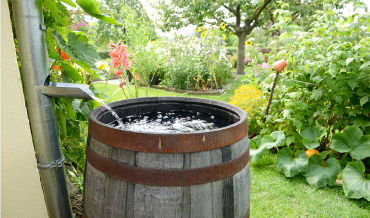
  • Rainwater harvesting

Surface water is often prone to contamination from runoff and pollution, whereas groundwater tends to be cleaner, albeit with natural impurities like dissolved minerals. Alternatively, municipal water systems and bottled water undergo rigorous treatment to ensure cleanliness. 

2. Contaminants and Total Dissolved Solids

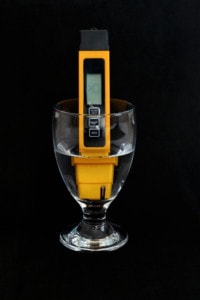
TDS meter

Contaminants, including bacteria, chemicals, and heavy metals, can spoil the taste of water and harm human health, potentially causing waterborne illnesses and long-term health issues. Total dissolved solids (TDS), on the other hand, include dissolved minerals, salts, and metals — influencing taste and water hardness. While some minerals are essential for health, excessive TDS levels can pose health risks, such as kidney stones or diabetes. 

3. Water Treatment Processes

Water treatment processes in your area meet water quality parameters by removing contaminants and reducing TDS. These systems typically include filtration, disinfection, and desalination — designed to make water safe for consumption. Effective treatment removes dangerous bacteria, viruses, and chemicals, safeguarding your health over time. However, in areas suffering from inadequate or outdated treatment facilities, you risk exposure to poor water quality, which can compromise your well-being.

4. pH Levels

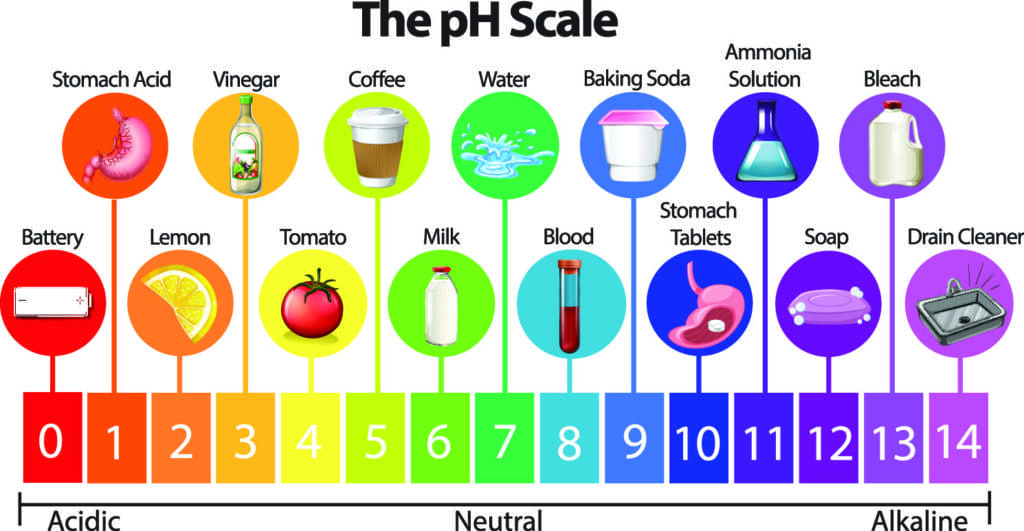
The pH Scale

Water quality criteria also encompasses pH levels, which indicate how acidic or alkaline water is. Generally, the ideal drinking water has a neutral pH, around seven, ensuring it’s safe and pleasant to consume. If water is too acidic or alkaline, you may encounter corrosion or scaling in your pipes. This can potentially release harmful metals like lead into the water supply and cause long-term wellness issues. 

5. Water Temperature

Water temperature can also subtly influence health. The Florida Department of Agriculture and Consumer Services reveals that warmer water may encourage bacterial growth; raising the risk of waterborne diseases and affecting water’s taste and smell. Conversely, cold water is generally less prone to bacterial contamination, offering a safer and more refreshing option for drinking. 

6. Piping and Distribution Systems

When water makes its way from its source to your tap, your piping and distribution systems can impact its quality. Old or corroded pipes can leach toxic metals like lead and copper into drinking water, compromising taste and purity. That’s why regular maintenance and system updates are important to reduce your exposure to potentially harmful substances. 

7. Climate and Environmental Factors

Environmental factors like heavy rainfall and flooding can lead to contamination of surface water sources. This increases the risk of microbial pathogens and pollutants entering the water supply. Similarly, droughts in your region can lower water levels, concentrating contaminants and reducing water availability. Climate change only exacerbates these challenges, changing precipitation patterns and worsening water scarcity. Understanding and proactively mitigating environmental impacts is essential for safeguarding public health and ensuring access to safe drinking water.

Categories
Blog

How to Improve Water Quality in 5 Easy Steps


Are you unhappy with the quality of the water in your home? Does your tap water have a weird taste or smell? Are you worried that your family may be ingesting or absorbing dangerous substances through your water supply?

In an ideal world, everyone would have access to safe and clean drinking water, but unfortunately, this isn’t always the case. Consuming contaminated water can cause many diseases that bring unpleasant symptoms, including diarrhea, vomiting, and pneumonia. In severe cases, consuming contaminated water can even lead to death.

But when it comes to poor water quality, it’s not just human health you need to worry about. Your pets deserve clean, fresh drinking water. Many garden plants are sensitive to chemicals, sodium, and pH levels in their water supply. These are all important reasons why it’s so important to get your water tested and take control of your water quality.

Simple Steps to Improve Water Quality

Fortunately, if you’re not happy with the water quality in your home, there are things you can do about it. Here are five strategies to improve water quality that will make your water safe to use.

  1. Test Your WaterThe easiest way to test the quality of the water in your home is with a test kit. These kits are user-friendly and will accurately indicate the presence of various contaminants in your water and tell you whether the water is safe to use. If you find that the water is unsafe, you and your plumber can then determine additional steps necessary to make your water safe to use and consume.
  2. Boil Your Water Boiling water is a short-term solution that makes water contaminated by harmful bacteria and parasites safe for consumption. If you need to boil tap water before consuming it, you need to contact a water quality professional for a home filtration system installation. In the meantime, before boiling contaminated water, filter it through a clean cloth or coffee filter first. Then, bring the filtered water to a rolling boil for at least a minute. If you are at a high elevation (6,500 feet or more), boil for three minutes.
  3. Filter Your WaterA good water filtration system can remove sediment from your drinking water. A good water purification system can remove harmful chemicals, metals, and microorganisms from your drinking water. A whole-home water filtration/purification system installation will keep your family safe from the ill effects of poor water quality. If you are only concerned about filtering the water coming out of certain taps, install a filter or reverse osmosis system just for that faucet.
  4. Get a Water Softener. If your water test revealed problems with minerals, consider having a water softener installed. A water softener will remove calcium, magnesium, and iron from the water. This process will make your water safer, taste better, and even prolong the life of appliances like dishwashers.
  5. Take Care of Your Pipes Keeping the water pipes in good condition reduces the chances of harmful bacteria or chemicals entering your water supply. If the water pipes in your home are old or you notice any signs of damage, contact a plumbing professional.
Categories
Blog

The Importance of Water Quality

Any discussion about human health and water consumption will inevitably turn to the quality of the water at some point. After all, water is essential for all life, but when you drink your next glass of water are you really getting the best water for your health. Many people purchase bottled water, but many of these products are not much better than regular tap water. So, what do what types of characteristics determine the quality of drinking water and how can you be sure that you’re getting the best water for you and your family?

Why Do We Need Good Water Quality?

The consumption of poor quality water will have a negative impact on the health of people. Water pollution is a major global problem that leads to a huge number of deaths each and every year. Here in the developed world, we have basic sanitary systems in place to deal with some of the worst waterborne diseases. Thanks to the introduction of chlorination, we have water free from diseases such as dysentery and cholera that still cause misery in other parts of the world today. But, if you’ve ever felt sick for no discernible reason, the consumption of poor quality drinking water could have been to blame. Chlorine is an effective disinfection agent, but there are many contaminants that it cannot clean from the water supply. For this reason, many homeowners now take matters into their own hands and install a water filtration system to ensure they have good quality drinking water.

7 Major Sources of Water Pollution

Good quality water for public use is becoming increasingly rare due to a number of factors. An increasing population is putting the water treatment system under strain, the infrastructure needs significant investment, and industrial and agricultural processes have contributed pollutants to our waterways during runoff. Let’s take a closer look at the seven major sources of water pollution.

  1. Pesticides

The need for ever greater yield from agricultural production has led to an increase in the use of pesticides and insecticides. These chemicals are used everywhere to artificially boost the harvests and to promote the rapid and lush growth of grass for golf courses, landscaping projects, and the lawns in many homes. These chemicals will lie on the surface of the grass or plants until the next storm when the runoff will transfer them to our waterways. Pesticides are arguably the biggest source of pollution in our water because they easily seep into the surface water and groundwater supplies. The consumption of water laced with these chemicals can lead to wide variety of health issues, such as digestive problems, allergic reactions, and even a cardiac arrest.

  1. Sewage Systems

It may come as no surprise to learn that a major source of public water contamination is our sewage and septic systems. The lines that carry waste to the sewage treatment plants can have holes, cracks, and breaks like any other type of plumbing pipes. When human waste seeps out into the soil surrounding a sewer line or septic tank, it will contaminate the soil and groundwater. These could lead to illnesses such as dysentery and hepatitis for water users. Consuming drinking water that contains bacteria such as E.coli can be deadly, but it’s particularly risky for infants, children, elderly people, and those with compromised immune systems.

  1. Arsenic

This is a well known poison that can be deadly to consume, even in smaller quantities. Arsenic is actually a natural contaminant found in many groundwater sources, and it can make its way into well water supplies. In moderate quantities, arsenic can lead to digestive problems, but larger quantities can result in organ failure and even death in extreme cases.

  1. Nutrients

Many people hear the term nutrients and automatically assume that this must be a net benefit for the water consumer. But, certain types of nutrients can be dangerous if they are consumed in larger quantities. The presence of fertilisers, pesticides, and other nutrients designed to boost crop yields can be dangerous. The negative health consequences could vary from a mild stomach upset to fatalities. Nutrient contamination is especially dangerous for young children that are still undergoing development.

  1. Lead

Most people have heard about lead poisoning in water supplies and the negative health effects of exposure and ingestion. Many people don’t know that water is a very effective solvent, and given enough time, it can dissolve many materials, including lead. Since the discovery of lead related water problems, many lead plumbing pipes and fixtures have been removed. But, some lead pipes still remain, and we still have lead pollution problems from lead paint chips and other products. All of these sources of lead can be dissolved in our water, and this is not removed at the water treatment plants. Lead is particularly dangerous with negative health effects, such as nausea, headaches, anemia, kidney damage, memory problems, developmental issues in children, and even death.

  1. Bacteria

Chlorination has been used for over a century to disinfect our water supplies. This is a tried and tested method, but bacteria can still be present when that treated water reaches your taps. As we mentioned earlier, every complex system can be compromised, and this is equally applicable to the water delivery system. Even a pinhole crack in a water supply pipe can allow bacteria, viruses, or cysts to enter the public water supply. This is especially true during the warmer parts of the year when bacterial growth can double.

  1. Nitrates

Nitrates are produced due to the natural waste from animals and humans. Nitrates are used in compost and fertiliser products because they help to promote rapid growth in plants. Many gardeners and farmers use nitrate based products to get better results, and this can lead to nitrates running into the water supply during rainfall. Nitrates are dangerous to people, but babies and young children are especially at risk. The presence of nitrates in the bloodstream can prevent the free movement of oxygen, and this can lead to permanent damage or even death.

Categories
Blog

3 Big Reasons Why Your Water Quality is Important

Many people don’t think twice when they flip on the tap, fill up a glass of water and take a drink. They only really notice the quality of their water when they travel, or if they drink better water from a filtration system somewhere outside of their home. Then, suddenly, they start to notice everything about their water.

If you’ve recently had this experience, you’re likely thinking a lot about the quality of your water. If it tastes metallic when you drink it, what else is it doing that you are not thinking about? These are great questions to ask, and you might not like the answers you get—especially if your home has unfiltered municipal water.

The fact is, water quality is extremely important for so many reasons. Here’s a look at the three biggest reasons, and all the ways they affect our daily lives.

1. Essential for Health and Wellness

The most important aspect of water quality is the impact on our health and wellness. This has broad, wide-ranging implications for both short- and long-term wellbeing. Using water filtration methods, such as the Aquaspace Compound, reduces the presence of 55 of the most common Volatile Organic Compounds without removing the essential minerals present in drinking water. This means that every glass of water you have can not only taste great, but be great for your health.

Here’s a look at some of the reasons why your water quality is important for health, inside and out:

  • Unfiltered water may contain bacteria like giardia intestinalis, norovirus and shigella
  • Contaminated groundwater can contain poisons like arsenic and mercury
  • Municipal water can in some cases contain lead, which can cause neurological problems
  • Removing chemicals such as chlorine from your water has numerous health benefits, from making your skin feel softer to reducing the presence of airborne chlorine which can be damaging for your lungs
  • Pharmaceuticals in the water supply can cause hormonal imbalances
  • Waterborne viruses and cysts can lead to dangerous infections
  • When combined with Aquatomic systems, the overall bioavailability of your water is improved, allowing for more complete hydration

2. Take Out the Bad, Leave in the Good

Many water filters and water softeners on the market today work by removing almost everything from your drinking water, leaving you with a tap water that is similar in nature to distilled water. Unfortunately, this kind of water isn’t ideal drinking water, as it doesn’t provide the minerals that the body needs, specifically magnesium and calcium.

Being without these minerals can lead to a decrease in your body’s metabolic function, as well as increase in urination, which can result in increased loss of electrolytes. This, combined with the electrolytes lost through sweat, can result in a deficit for your body. Over time, this can have a detrimental effect on your health. In the absolute worst-case scenarios, this can result in serious health issues, like acidosis

3. Important for the Environment and Sustainability

Poor water quality has several big-time effects on environment. The first and biggest comes from the waste generated by water bottles. If you can’t trust your tap water and turn to bottled water, it generates millions of tons of plastic waste each year. This waste is easily avoided by making an investment in point-of-use water filtration, or even a whole-house water filtration system.

The second aspect of environmental sustainability is the perpetuation of poor water quality. Every drop of unfiltered water that leaves your home goes back into a system that’s not efficiently treating it. The cycle continues. But, if you have a filtration system, you have the potential to contribute less to that system by sending filtered water down the drain instead.

Categories
Blog

Water Quality: Understanding the Importance for Health and Environment

Water quality is a crucial factor that profoundly impacts both human health and the environment. It refers to the chemical, physical, and biological characteristics of water that determine its fitness for various uses. Understanding its significance is paramount in safeguarding the health of communities and preserving ecological balance.

Importance of Water Quality
Health Implications
Poor water quality poses significant health risks. Contaminated water can harbor pathogens, pollutants, and toxins that lead to waterborne diseases like cholera, dysentery, and hepatitis. Particularly vulnerable are communities lacking access to clean water sources, exacerbating public health crises.

Environmental Impact
Beyond human health, compromised water quality severely affects ecosystems. Contaminants disrupt aquatic habitats, harm wildlife, and impair biodiversity. Runoff from industrial, agricultural, and residential areas contributes to water pollution, threatening aquatic life and the balance of ecosystems.

Factors Influencing Water Quality
Pollution Sources
Industrial discharge, agricultural runoff, and improper waste disposal contribute to water contamination. Chemicals, heavy metals, and nutrients infiltrate water bodies, compromising their quality. Additionally, natural factors such as soil erosion and climate changes also affect water quality.

Testing and Monitoring
Regular testing and monitoring of water quality are imperative. Various methods like chemical analysis and biological assessments help identify pollutants and assess the overall health of water bodies. Monitoring enables prompt actions to mitigate risks and maintain water quality standards.

Strategies for Improvement
Water Treatment

Water treatment plants employ filtration, disinfection, and purification techniques to enhance water quality. Processes like chlorination, reverse osmosis, and UV treatment effectively remove contaminants, making water safe for consumption.

Community Action
Communities play a pivotal role in ensuring better water quality. Adopting eco-friendly practices, proper waste disposal, and reducing chemical usage collectively contribute to preserving water resources.

Global Efforts and Policies
International Collaboration
International organizations and governments collaborate to address water quality challenges. Initiatives like the UN’s Sustainable Development Goals emphasize the importance of clean water and sanitation for all.

Policy Implementation
Robust policies and regulations are essential in safeguarding water quality. Laws governing waste management, pollution control, and resource conservation are crucial for maintaining clean and sustainable water sources.

Promoting Awareness and Innovation
Educational Outreach

Raising awareness about water quality fosters responsible behavior. Educational programs and campaigns empower communities to take proactive measures in preserving water resources.

Technological Advancements
Continuous innovation in water treatment technologies drives improvements in water quality. Innovations like nanotechnology and smart filtration systems offer promising solutions to address water quality challenges.

Looking Ahead
The future of water quality hinges on proactive measures and collective efforts. Addressing emerging challenges, implementing sustainable practices, and leveraging technology will be pivotal in securing clean and safe water for future generations.

Conclusion
Water quality is a fundamental pillar of healthy communities and thriving ecosystems. It demands collective responsibility, from individuals to policymakers, to ensure access to clean water and preserve the environment.